By
By 
‘shocks’
courtesy of ‘dreamsjung’
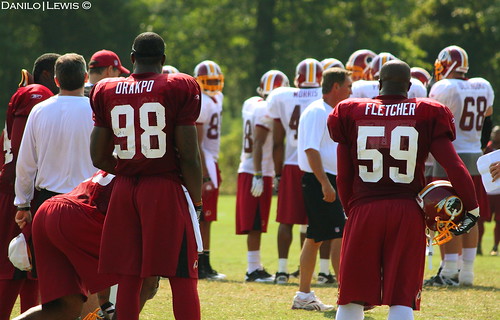
I’m gonna just let you recover from the mental discord that reading that headline will give you. Maybe it’ll help if you muse on the old saying that even a broken clock is right twice a day, though in the modern digital age it’s more like a broken clock is still useful as a paperweight.
Be that as it may, I wanted to say that I think Brown is right and I support his response to being pulled over by an unmarked police car. Brown says he initially cooperated but refused to get out of the vehicle when the plainclothes individuals asked him to do so.
“You guys pull up, you’re wearing all black. There were no sirens. Nothing…You expect me to get out of the car in the middle of the night? No.”
I say, good for you Brown. The practice of traffic stops by law enforcement who can’t easily be distinguished from someone who bought a $5 flashing light off the internet is a misguided and dangerous one. When I was growing up in Florida there were numerous occasions when criminals used different techniques to get people to pull over and robbed and killed them. Stories of people pretending to be cops in order to rape or rob turn up hits in the thousands on Google.
LegalMatch suggests someone concerned about an unmarked stop do exactly what Brown did – stay in the car and call 911. The local police force can certainly send over a marked car; I haven’t seen a traffic stop on the side of the road that didn’t have 2+ patrol cars involved in I don’t know how long. Departments are well aware of the issues involved and several will confirm they avoid using unmarked cars for traffic stops if at all possible. According to a 1996 legal brief, DC “police regulations only allow plainclothes police to enforce traffic violations when they are “so grave as to pose an immediate threat to others.””
So here’s the only time you’re likely to read this in the media: You should pay attention to Sulaimon’s example and follow it. Be careful.
UPDATE 4:43p: WaPo’s Mike DeBonis has placed the arrest report up on DocumentCloud and, as he says in his post about it, it seems to match Brown’s description of the events with only a minor difference. It’s unfortunate that the officers on scene seemed not to be acting in line with the policies purported in the 1996 document linked above, though it’s not clear Brown informed them he was dialing 911 – which, if you ever find yourself in that circumstance, you should be sure to tell the folks attempting to detain you. Personally I’d repeat it once I was on the call to 911 so it would be heard by 911 and recorded.
 By
By 
 By
By 
 By
By 
 By
By 
 By
By 
 By
By 


 By
By